We're independent and non-partisan — working for the public-good.
We're a coalition of people and organisations who care about bringing the country together and building a long-term plan for our shared future.
The National Strategy Project is led by people who understand how societies succeed, how they fail and what needs to change to make our country work for everyone.
We're supported by a growing network of advisers, partners and champions across generations, and different sectors and parts of society.
Key members of our team include
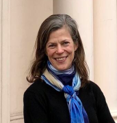
Catherine Day
Co-Founder of NSP

Catherine left a 25-year career as a senior UK civil servant to found and lead the NSP. In government, she worked across No. 10, the Cabinet Office and the FCDO, advising multiple Prime Ministers and leading strategy, reform and delivery of some of the UK's most significant decisions.
Read more
"As a mother, I don't want to pass a broken system on to the next generation. After growing up in Northern Ireland and serving in Iraq and Afghanistan, I've seen what happens when states fail: ordinary people pay the price. I trained as a biological anthropologist, and have spent my career exploring how societies survive and thrive. After twenty-five years inside government, I believe we can't rely on the systems we inherited. The UK urgently needs new ways to think, decide and act together - before events decide for us."
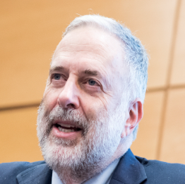
Prof James Fishkin
Jim is Director of Stanford University's Deliberative Democracy Lab, and created Deliberative Polling, the world's most rigorously tested method for public deliberation. He's led 150+ deliberations in over 50 countries. Jim's book, Can Deliberation Cure the Ills of Democracy?, distils decades of evidence on what happens when ordinary people deliberate together.
Read more
"If you want to repair democracy, you need to create a more deliberative society. When people deliberate on polarised and contentious issues, they come out with greater mutual respect, feel their opinions are worth listening to, pay more attention to public affairs, and have higher voting rates. The effect is a surprise, but it's pretty dramatic. The National Strategy Project allows us to spread the benefits of deliberation. We're able to gather a whole country in "one room", using a platform that moderates and balances the discussion. If we scale this to tens or hundreds of thousands of people, it could cool the temperature, reduce rancour, and help create more informed, engaged citizens."
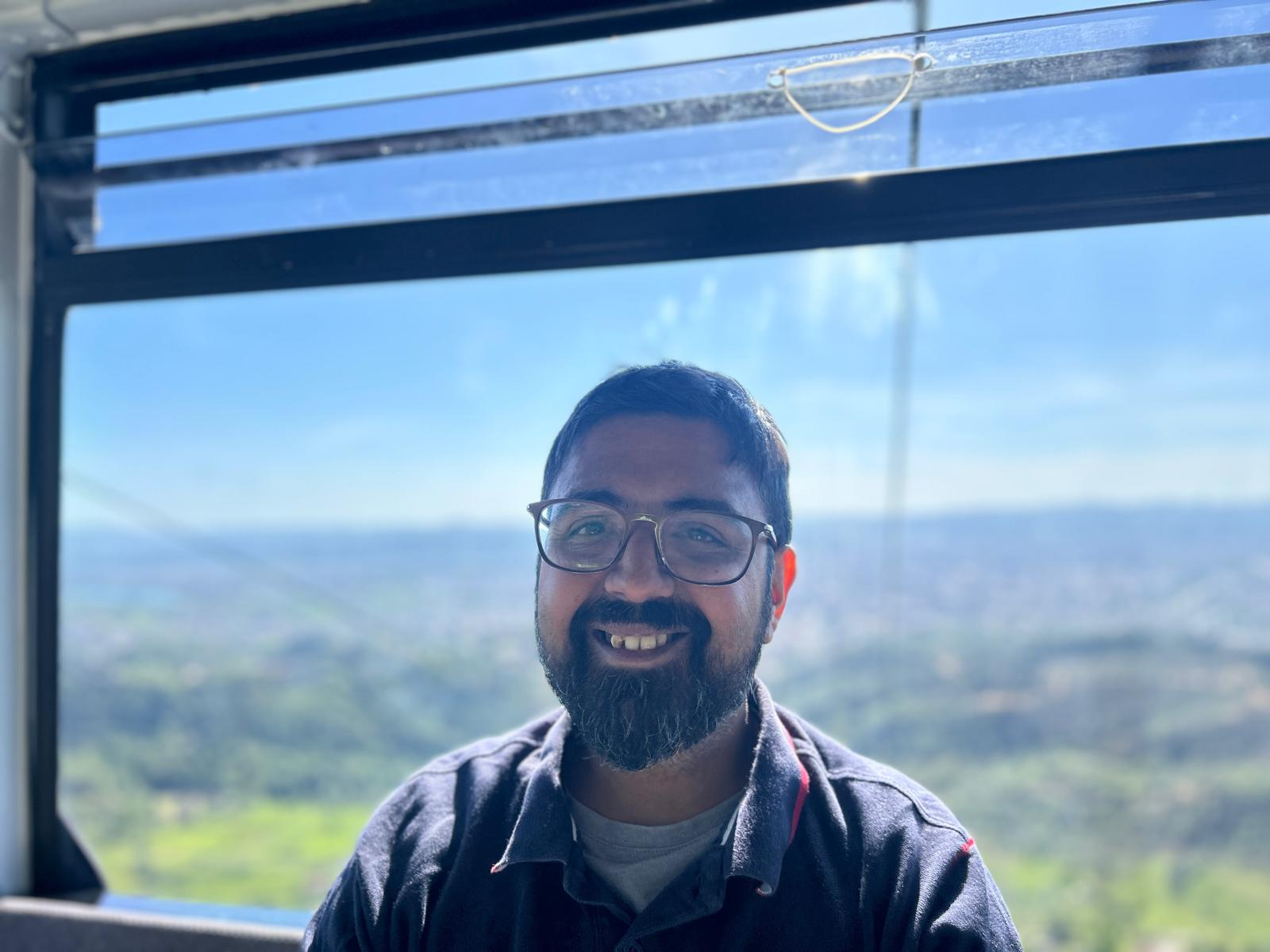
Vijay Luthra
Before his professional career, Vijay worked as a roadie. He went on to join the civil service at the Ministry of Agriculture, Fisheries and Food, before leading transformation programmes across central government, local government and the NHS, including work on the London 2012 Olympics at the Mayor of London's office and the London Development Agency.
Read more
Today, through his consultancy Ceva, he helps SROs and exec teams rescue reform that is starting or stuck, and writes regularly for Civil Service World and the MJ on state capacity and public service reform. As a kidney transplant recipient himself, he also leads KEPsoft, the kidney exchange matching platform spun out of the University of Glasgow, supporting the NHS and international health systems to increase living donor transplants.
"Britain doesn't lack talent or ambition. It lacks a shared sense of where we're going. I was raised on the Sikh idea of seva, selfless service, and the National Strategy Project is one of the few serious attempts to put that ethic to work at a national scale. The urgent question is what kind of state we actually need as the Fifth Industrial Revolution reshapes work, technology, and citizenship. NSP is seeking answers to that question."
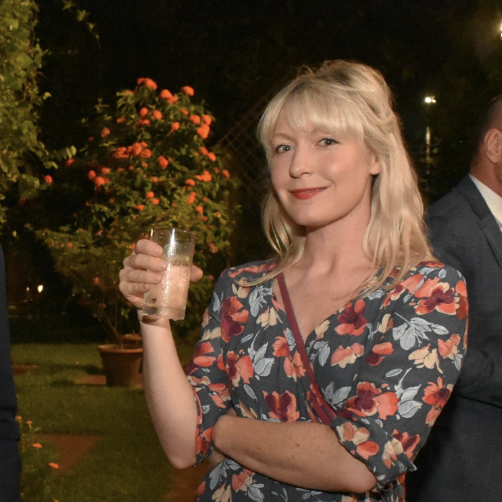
Harriet Hoffler
Harriet has spent nearly two decades working across government, diplomacy and academia, and currently leads the Culture & Society strategic cluster at the Oxford SDG Impact Lab. Culture, trust and the power of convening lie at the heart of everything she does.
Read more
"Who isn't in the room yet - and what becomes possible when they are? I've spent my career asking that question. I've seen what happens when you bring genuinely different perspectives together - the sparks that fly, the conversations that break open, the sense that something new, something innovative could happen. I believe fundamentally in the power of dialogue and people to generate change from the bottom up. That's where movements begin. The National Strategy Project is built around that magic - we're creating the space for every voice to participate, and for all of us to shape what comes next together."
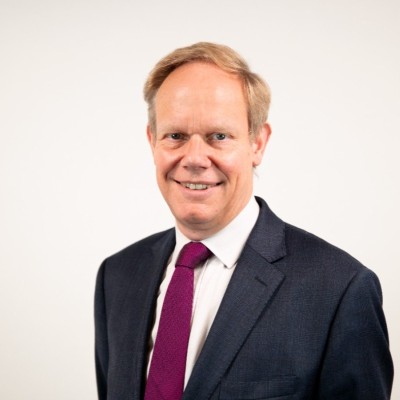
Matthew Rycroft
Co-Founder of NSP
Matthew has spent his career at the heart of government, including as Permanent Secretary of the Home Office and the Department for International Development, and as a UK ambassador to the United Nations.
Read more
"Having seen around the world how easily echo chambers can create polarisation, I'm convinced that our democracy needs constant nurturing and renewal, in order for it to succeed for everyone in it. I'm now focused on creating a new framework for informed debate, thoughtful trade-offs and genuine understanding - helping people step outside their bubble and reconnect with other people across society. That mission is what led me to co-found the National Strategy Project."
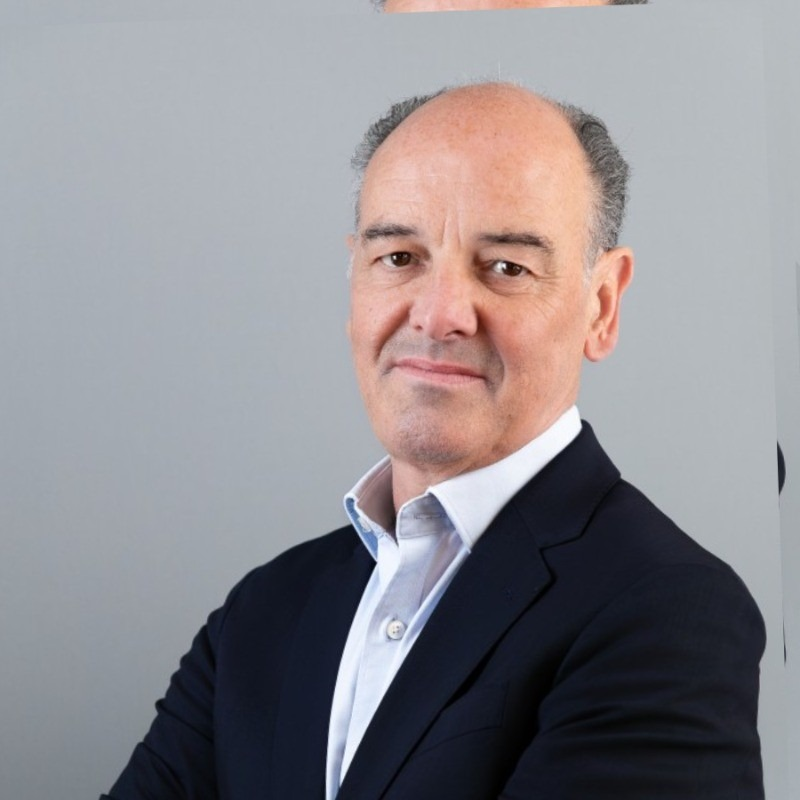
Tim Robinson
Tim has spent the last 20 years as CEO and Chair of technology and life sciences companies, and was awarded a CBE in the new years honours list 2020 for services to the government in digital technology. He recently completed his term as Lead Non-Executive for the Home Office prior to which he spent 17 years as a Non-Executive across various Government departments.
Read more
He's involved in the National Strategy Project because it combines large-scale public dialogue with a serious focus on delivery.
"Having spent the last 20 years trying to improve our system of Government from within as a Non-Executive, it is clear that we need an external catalyst to drive change: to give people an informed voice, a strategic path for our nations' future and a vehicle for improving delivery of public services and infrastructure. NSP is the only entity in the UK set up with the strategic vision and practical plan to effect such change, a world-first. I'm keen to bring my experience of effective delivery to making NSP succeed. In particular, I want to help ensure we answer the crucial "so what?" question: turning the insight from public dialogue into clear, actionable ideas for improving how the government, the private sector, the charitable sector and civil society work together across the UK."
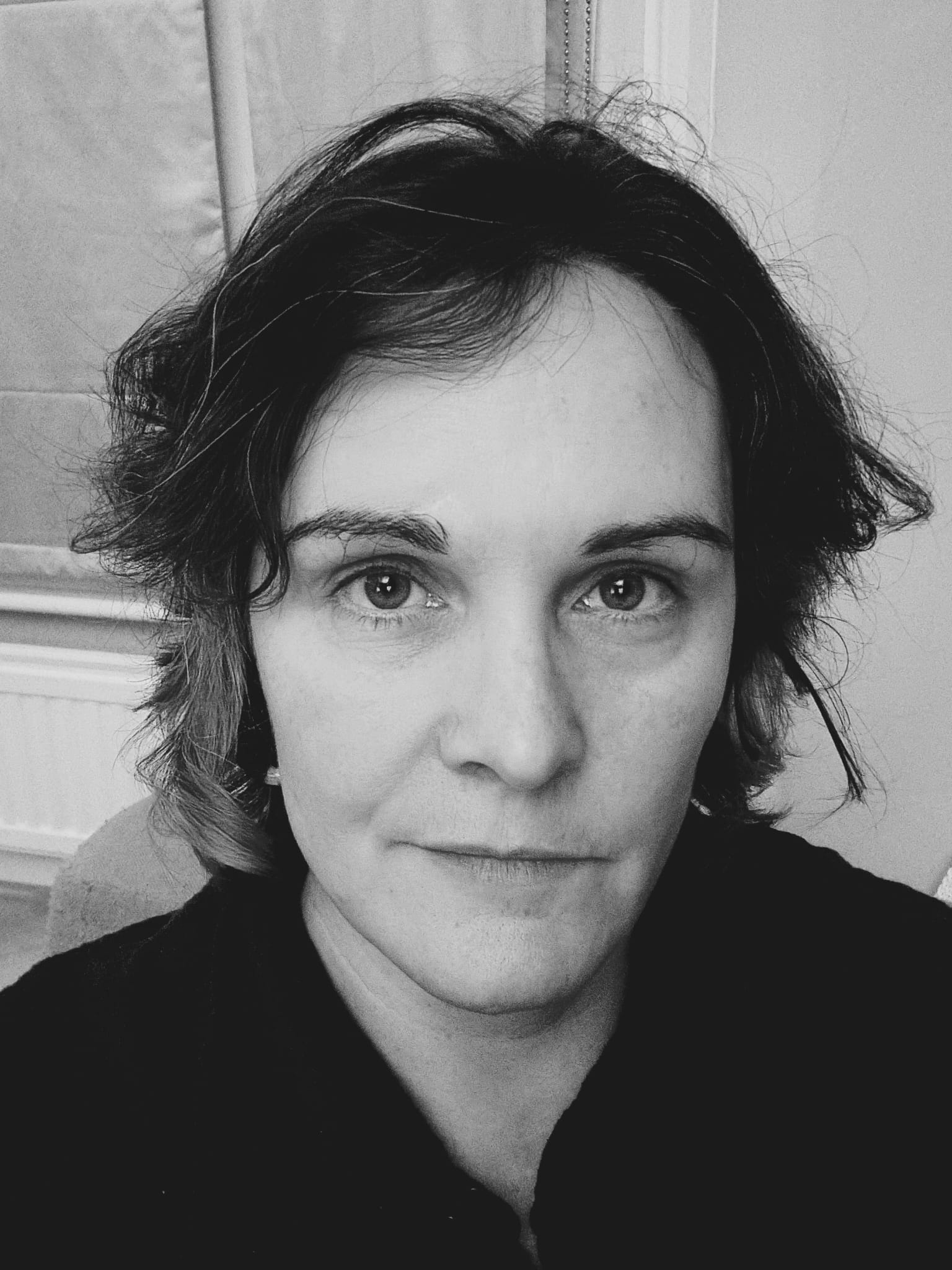
Sarah Castell
Sarah recently served as the CEO of Involve, a charity dedicated to increasing public participation in UK democracy. Previously, she founded the Trends and Futures team at Ipsos MORI and the Dialogue Centre. She's spent 25 years bringing people, decision makers and experts together in structured, consequential deliberations, which change the ways decisions on complex topics are made.
Read more
"Everyone knows the system isn't working in our long-term interests. People don't trust politicians or institutions. Politicians have the impossible task of solving complex problems confidently, while the real trade-offs are often hidden from the public. The way that power operates must change. Decision making must include greater public agency, informed public judgement on the issues that matter, so our institutions can evolve. The NSP can kick start a whole deliberative system for the UK, at massive scale. It will be too big and too interesting to ignore."
Nick Kind
Nick is an advisor to philanthropies, foundations and social impact investors with a focus on education and the future of work. Previously, he worked in media and co-founded an educational technology startup. He serves on the board of Big Change, a charity for young people in the UK.
Read more
"I have a really vivid memory of taking my kids to the London Paralympics. Everyone was so welcoming. Surrounded by people of every age, colour and background, I felt super-proud to be British. That's what we should be about! We seem so far away from that now. Society is starting to fracture and polarise in a deeply worrying way. I see what is happening in other countries and I do not want us to go down that road. People feel let down and ignored. The NSP is one of the few initiatives that might restore some agency, optimism and cohesion."
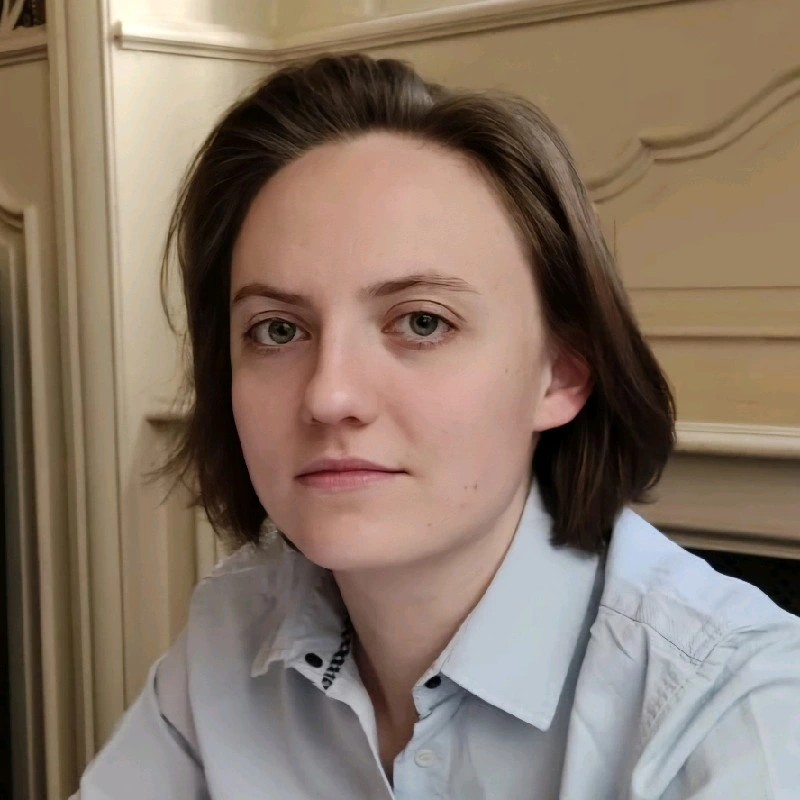
Estelle Ciesla
Estelle has worked with the Stanford Deliberative Democracy Lab for four years, conducting Deliberative Polling around the world on a range of policy topics. She grew up in France and moved to the UK at the age of 18 to study Politics, Sociology and East European Studies at UCL.
Read more
"I arrived in the UK almost a decade ago and consider it my home. I see lots of regular citizens around me who have the interest and ability to be involved in politics, and want to do more than just vote once every few years. If we create the right conditions for people to participate, they can contribute much more. Past Deliberative Polls show again and again that the extremist views presented by parties and the media are not an accurate representation of what people really think. The people of the UK deserve a chance to be heard through peaceful and civil conversations. Everyone should have the opportunity to help decide the future of this country."
Malcolm Bacchus
Malcolm was President of the Institute of Chartered Accountants in England and Wales in 2024/5 and has served as CFO of several listed and private companies. He's Junior Warden of the Chartered Accountants' Livery Company, and an officer of a heritage and conservation group and various educational charities.
Read more
"I grew up in a time when democracy felt a lot more comfortable, when people disagreed politely and mostly seemed to get along. Today's polarisation is making us all more unhappy and antagonistic. Meanwhile, no one is addressing the big long-term challenges facing us. This approach won't be easy, but we have to try. The only way we'll ever achieve a national consensus is through rational debate. We have to take pride in building for the country's future as previous generations did."